

 Streamline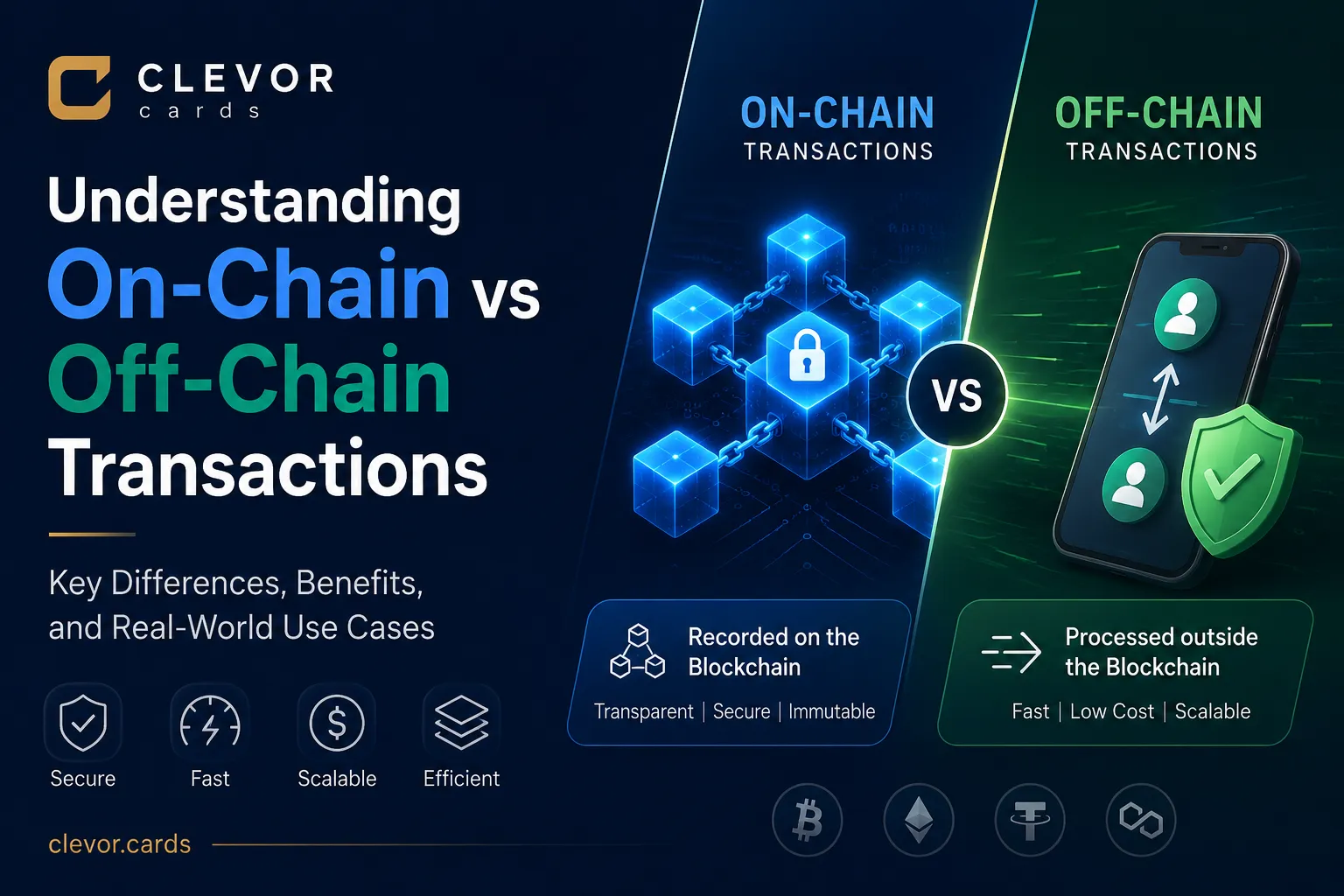
Blockchain technology has transformed how digital assets are transferred, verified, and stored. As cryptocurrencies, decentralized finance (DeFi), and Web3 applications continue to evolve, understanding on-chain vs off-chain transactions has become essential for users, developers, and businesses alike. Each transaction method offers unique advantages depending on the need for speed, cost, transparency, and security.
Whether you’re sending cryptocurrency, interacting with decentralized applications, or building blockchain-powered payment solutions, knowing when to use an on-chain or off-chain approach can improve both efficiency and user experience. This guide explains the differences, benefits, limitations, and practical use cases of both transaction types while highlighting the growing role of Layer 2 innovations in modern blockchain ecosystems.
What Are On-Chain Transactions?
An on-chain transaction is a transaction that is recorded directly on a blockchain network. Every transaction is validated through the blockchain’s consensus mechanism and permanently added to the distributed ledger.
Once confirmed, the transaction becomes immutable, meaning it cannot be altered or deleted. This transparency makes blockchain one of the most trusted technologies for recording financial activity.
Common examples include:
-
Sending Bitcoin between wallets
-
Transferring Ethereum tokens
-
Executing smart contracts
-
Minting NFTs
-
Recording ownership transfers
Every blockchain transaction requires network validators or miners to verify its authenticity before it becomes part of the blockchain.
Key Characteristics of On-Chain Transactions
On-chain transactions offer several important advantages:
-
Complete transparency through public blockchain records
-
High security backed by cryptographic validation
-
Permanent and tamper-resistant transaction history
-
Full decentralization without relying on intermediaries
However, these benefits often come with certain trade-offs:
-
Higher transaction fees during network congestion
-
Slower confirmation times
-
Limited scalability on many blockchain networks
For applications where security and trust are more important than speed, on-chain processing remains the preferred choice.
What Are Off-Chain Transactions?
An off-chain transaction occurs outside the primary blockchain network. Instead of recording every interaction directly on the blockchain, participants exchange value through external systems that later settle the final outcome on-chain or, in some cases, never require blockchain recording.
Off-chain processing is designed to improve efficiency while reducing blockchain congestion and transaction costs.
Examples include:
-
Payment channels
-
State channels
-
Centralized exchange transfers
-
Internal wallet transfers
-
Enterprise settlement systems
Although the blockchain may not record every individual transaction, security mechanisms are still used to maintain integrity between participating parties.
Benefits of Off-Chain Transactions
Off-chain processing provides several operational advantages:
-
Near-instant transaction speeds
-
Lower or zero network fees
-
Higher transaction throughput
-
Better scalability for frequent payments
-
Improved user experience for microtransactions
These advantages make off-chain methods particularly valuable for applications requiring high transaction volumes or real-time payments.
Understanding the Role of Layer 2 Blockchain
One of the biggest innovations helping bridge the gap between speed and security is Layer 2 blockchain technology.
Layer 2 solutions operate on top of existing blockchains while processing large numbers of transactions outside the main chain. Once completed, the final transaction data is submitted back to the base blockchain.
Popular Layer 2 technologies include:
-
Rollups
-
Lightning Network
-
State Channels
-
Sidechains
These technologies significantly reduce fees while maintaining much of the security provided by the underlying blockchain.
For businesses building payment infrastructure or digital identity platforms, Layer 2 blockchain solutions have become an essential component for delivering scalable blockchain services.
On-Chain vs Off-Chain Transactions: The Main Differences
Although both methods facilitate digital asset transfers, they differ in several important ways.
On-chain transactions prioritize decentralization, transparency, and permanent record keeping. Every transaction is verified by the blockchain network before completion.
Off-chain transactions prioritize speed, scalability, and lower operational costs by processing activity outside the main blockchain before optional settlement.
The right approach depends on the application’s objectives. Financial settlements involving significant value often benefit from on-chain verification, while everyday payments and high-frequency interactions are better suited for off-chain processing.
Real-World Use Cases
Different industries choose transaction methods based on their operational needs.
On-chain transactions are commonly used for:
-
Cryptocurrency transfers
-
NFT ownership
-
Smart contract execution
-
Decentralized finance protocols
-
Asset tokenization
Off-chain transactions are ideal for:
-
Retail payments
-
Gaming economies
-
Subscription services
-
Cross-platform wallet transfers
-
Enterprise payment processing
Many modern blockchain ecosystems combine both approaches to achieve the best balance between security and performance.
Security Considerations
Security remains one of the most important factors when evaluating blockchain transactions.
On-chain transactions inherit the full security of the blockchain network. Every validator independently verifies the transaction, making fraudulent modifications extremely difficult.
Off-chain systems rely more heavily on the security architecture of the service provider, payment channel, or Layer 2 protocol. While many solutions implement strong cryptographic protections, users should always evaluate the trust assumptions behind the platform they use.
Businesses implementing blockchain payment systems should carefully assess regulatory compliance, custody models, and infrastructure security before selecting a transaction model.
Which Transaction Type Is Better?
There is no universal answer because each method solves different problems.
Choose on-chain transactions when you need:
-
Maximum transparency
-
Permanent blockchain records
-
Decentralized verification
-
High-value asset transfers
Choose off-chain transactions when you need:
-
Fast payment processing
-
Lower transaction costs
-
High scalability
-
Frequent or recurring transactions
Increasingly, blockchain platforms combine both methods to deliver secure yet highly efficient user experiences.
Conclusion
As blockchain adoption continues to expand across finance, payments, digital identity, and Web3 ecosystems, understanding on-chain vs off-chain transactions is becoming increasingly important. On-chain processing delivers unmatched transparency, decentralization, and security, while off-chain methods offer the speed and scalability required for real-world applications. Rather than competing technologies, they complement one another to support different transaction requirements.
With ongoing advancements in Layer 2 blockchain solutions, businesses and developers can now build platforms that balance efficiency with trust. Whether you’re developing blockchain applications, integrating digital payments, or exploring self-custody solutions, choosing the right transaction model will directly impact performance, cost, and user experience. Understanding these differences is key to making informed decisions in the rapidly evolving blockchain landscape.
