

 Streamline
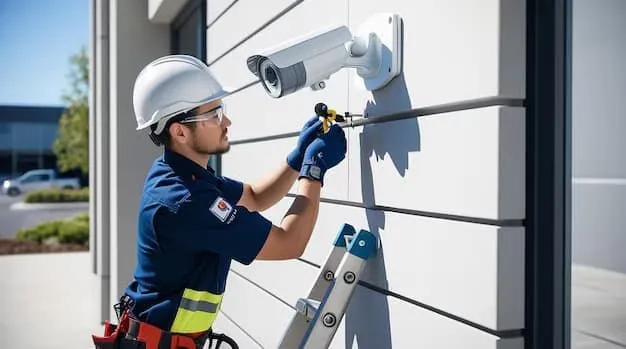
The period between tenants can be unusually demanding for landlords. Contractors may visit to repaint rooms, cleaners need access, and deliveries can arrive while nobody lives at the property. Although these gaps are often short, an empty home may attract unwanted attention, particularly when curtains remain open or maintenance work makes the vacancy obvious. Security planning during a changeover should therefore concentrate on controlled access, sensible monitoring and clear responsibilities. The objective is to protect the building while making essential work straightforward for authorised visitors.
Start With a Proper Handover
A property becomes vulnerable when nobody is certain who still holds a key. Previous occupants may have returned their main set, but spare keys, garage remotes and access codes can be overlooked. Check tenancy records, confirm the agreed return process and assess whether locks or credentials need changing. Any decision should reflect legal obligations and the terms of the tenancy.
Document the condition of external doors, windows, gates and outbuildings before tradespeople arrive. Photographs and a dated inspection record can distinguish pre-existing damage from problems discovered later. This is especially useful when several contractors visit on different days.
Give Contractors Access Without Losing Oversight
A painter arriving at nine and a cleaner arriving at three do not necessarily need identical access arrangements. Assign a responsible contact to coordinate appointments, confirm when visitors leave and check that windows and doors are secured afterwards. Avoid circulating one permanent access code among multiple unrelated workers.
If an alarm is already installed, review whether temporary permissions can be issued and removed after the work. Clear instructions should explain which entrances are authorised and what to do if the alarm activates accidentally. Good procedures can prevent both unnecessary alerts and disagreements about responsibility.
Decide Whether Temporary Alarm Protection Is Useful
Some properties remain vacant for several weeks while repairs, marketing or referencing take place. In these circumstances, an alarm may provide additional notification when protected doors open or unexpected movement occurs. However, equipment must fit the building’s layout and the pattern of legitimate visits.
Landlords researching Wireless alarm installation Glasgow should ask how sensors communicate, how access is managed and what happens during a power or broadband interruption. Wireless devices can minimise disruption to finished interiors, but they still need reliable signal coverage and a workable maintenance plan.
Use a Vacancy Inspection Checklist
A short checklist helps prevent different contractors from assuming someone else has completed essential checks. It can include:
-
Confirm that all windows and external doors close securely.
-
Test exterior lighting where it is safe and accessible.
-
Remove outdated alarm users and review active notifications.
-
Check that garages, sheds and side gates are secured.
-
Record who holds keys and when they must be returned.
-
Inspect for obvious water leaks or weather damage.
-
Arrange periodic visits according to the property’s needs.
Security is only one part of responsible vacancy management. Heating, water systems, insurance conditions and local requirements may also need attention when a building is unoccupied.
Handle CCTV Without Overlooking Privacy
Existing cameras can help owners check designated exterior areas, but recording arrangements require care. Cameras should not be introduced casually into private living spaces, and any monitoring must respect tenants’ rights and applicable data-protection requirements. Clear policies about access, retention and the purpose of recordings are essential.
Before relying on existing cameras during a vacancy, confirm that recordings are actually being stored. A CCTV maintenance company may help assess failing cameras, deteriorated connections or inconsistent playback. This is preferable to assuming that a picture visible on a phone confirms the entire recording system works.
Prepare for the Next Occupant
Temporary security arrangements should not become an inconvenience for incoming tenants. Remove contractor permissions, provide accurate alarm instructions and make sure any agreed security equipment is functioning before handover. Explain what devices are installed and who is responsible for reporting faults.
Keep the handover concise. A new resident should be able to secure the property confidently without inheriting unexplained passwords, outdated access lists or confusing instructions left by earlier occupants.
Conclusion
The weeks between tenancies should be treated as an organised property handover rather than simply a period when nobody lives in the building. Tracking keys, managing contractor permissions and checking security equipment can reduce uncertainty during maintenance work. Landlords also need to respect privacy requirements and prepare clear instructions for incoming occupants. Technical services described by techtwins.co.uk may support appropriate security arrangements. A well-managed transition protects the property while ensuring the next tenant receives a home with understandable, properly functioning systems.
