

 Streamline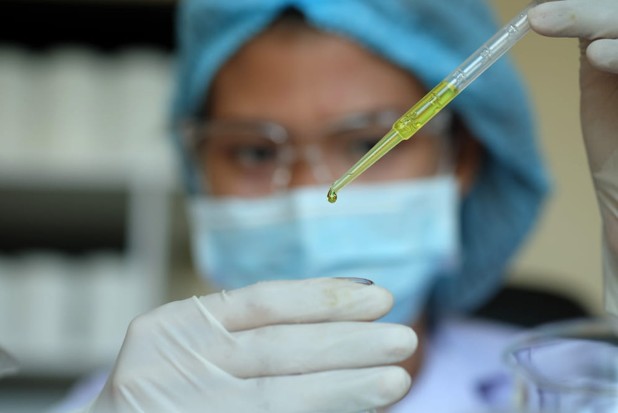
In recent years, growing awareness around environmental contamination has brought increasing attention to a group of chemicals known as PFAS, or per and polyfluoroalkyl substances. These compounds are often referred to as forever chemicals because of their strong chemical bonds that make them highly resistant to degradation in the environment and in the human body. As concerns about their impact on health and ecosystems continue to rise, PFAS testing has become a critical area of focus for researchers, regulators, and industries alike.
While exploring this topic further, I came across an insightful industry perspective that highlighted how rapidly this field is expanding. It noted that the global PFAS testing market size is estimated to grow from USD 249.1 million in 2025 to reach USD 279.1 million in 2026 and USD 1,209.5 million by 2040, representing a CAGR of 11 percent during the forecast period from 2026 to 2040. This growth reflects the increasing need for accurate detection and monitoring of these persistent substances.
PFAS are widely used in various industrial and consumer applications due to their unique properties, including resistance to heat, water, and oil. They can be found in products such as non-stick cookware, water resistant clothing, firefighting foams, and food packaging materials. While these properties make PFAS highly useful in manufacturing, they also contribute to their persistence in the environment, allowing them to accumulate over time in soil, water, and living organisms. This accumulation has raised concerns about potential health effects, which has led to increased demand for reliable testing methods.
PFAS testing involves the detection and quantification of these chemicals in different matrices, including water, soil, air, and biological samples. One of the most used techniques for PFAS analysis is liquid chromatography coupled with mass spectrometry, which allows for highly sensitive and accurate identification of individual compounds. This method can detect PFAS at extremely low concentrations, making it suitable for monitoring environmental contamination and ensuring compliance with regulatory standards.
The importance of PFAS testing is particularly evident in the context of drinking water safety, where even trace amounts of these chemicals can be a concern. Water sources near industrial sites, military bases, or areas where firefighting foams have been used are often at higher risk of contamination. Regular testing helps identify affected areas and supports efforts to implement remediation strategies that protect public health. In addition, PFAS testing is increasingly being used in food safety assessments, as these chemicals can enter the food chain through contaminated water or soil.
Another key application of PFAS testing is in environmental monitoring and risk assessment, where it provides valuable data for understanding the extent and impact of contamination. By analyzing samples from different locations and time periods, researchers can track the movement and persistence of PFAS in the environment, which is essential for developing effective regulatory policies. Governments and regulatory agencies around the world are establishing stricter guidelines for PFAS levels, further driving the demand for accurate and standardized testing methods.
Despite advancements in analytical technologies, PFAS testing presents several challenges that require ongoing attention and innovation. One of the primary challenges is the sheer number of PFAS compounds, as there are thousands of different variants with varying chemical structures and properties. Detecting and quantifying all of these compounds accurately is a complex task that requires continuous refinement of analytical methods. Additionally, sample preparation and contamination control are critical steps, as PFAS are so widespread that even laboratory equipment and materials can introduce unintended contamination.
Accuracy and reliability are especially important in PFAS testing because the results are often used to inform regulatory decisions and public health interventions. In fields where outcomes can directly affect human safety and environmental protection, maintaining high standards of trust and precision is essential. Laboratories must follow strict quality control protocols and validation procedures to ensure that their results are both accurate and reproducible.
Another important aspect of PFAS testing is the role of innovation in improving efficiency and accessibility. Researchers are developing new methods that aim to simplify testing, reduce costs, and increase throughput without compromising accuracy. Portable testing devices and rapid screening techniques are also being explored, which could enable more widespread monitoring and quicker decision making in the future.
In conclusion, PFAS testing has become an essential tool in addressing one of the most pressing environmental challenges of our time. It plays a critical role in detecting contamination, protecting public health, and guiding regulatory actions. As awareness of PFAS continues to grow and regulatory frameworks evolve, the importance of accurate and reliable testing will only increase. With ongoing advancements in technology and methodology, PFAS testing is set to remain at the forefront of environmental science, helping to ensure a safer and more sustainable future for communities around the world.
